Wisdom of the Body
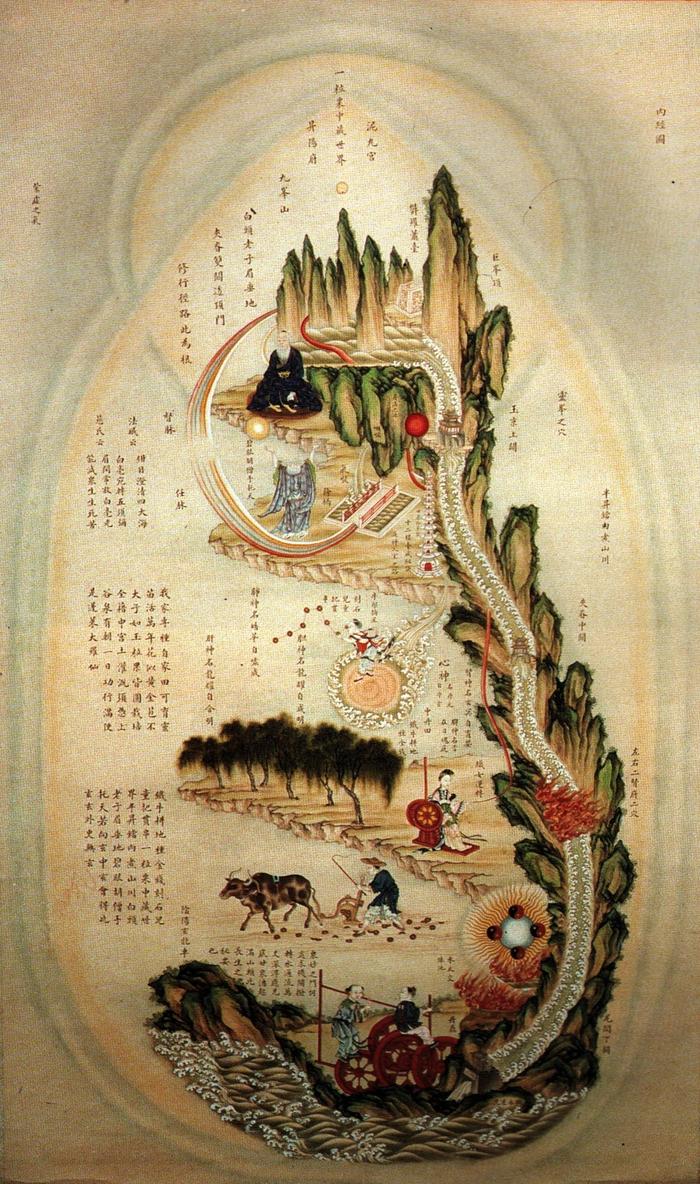
Psychological transformation never happens apart from the body. Our history, our emotions, and many of the unconscious ways we respond to the world find their own bodily expression. Posture, gesture, breath, tension, certain rhythms — all of these hold aspects of experience that don't always reach conscious articulation. Working with the body, in this sense, widens the paths through which we come to know and relate to ourselves.
But attending to the body calls for a broader view. Its language shows itself in walking and breathing, in rest and the quality of sleep, in contact with nature, in what we take in through the senses, and in how we eat. Returning to a diet closer to what is natural can restore a more attentive relationship with the body and with what sustains it.
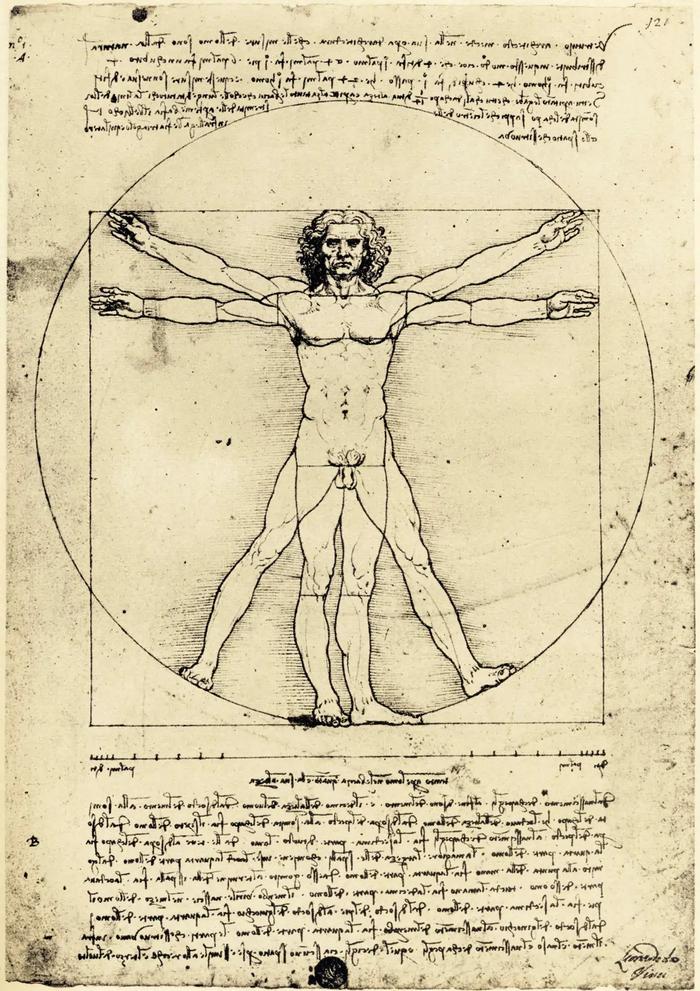
Eating, then, becomes more than a response to a physiological need: it becomes a daily form of care, a bond with the natural world we belong to. And when illness arrives, that same attention can be held by a conscious medicine — one capable of looking not only at the symptom, but at the person living through it.
None of these dimensions can be understood in isolation: they form part of a dynamic balance that has to be built and sustained over time.
Caring for the body, then, isn't only about intervening once something stops working. It means developing an attentive relationship with it: learning to recognize its signals, respecting its rhythms, discovering what it needs in each moment. When this listening becomes part of the inner work, the body stops occupying a secondary place and becomes an active dimension of the process of knowledge and transformation.
