Neuroscience Today
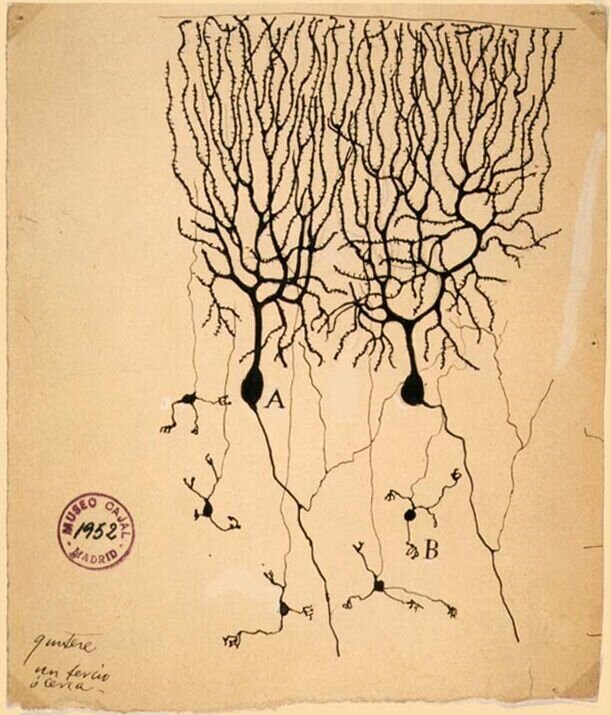
These advances have significantly enriched clinical practice, providing a scientific language that, in many respects, resonates with insights long present in psychology, philosophy, and contemplative traditions.
At the same time, we live in a cultural moment in which the growing interest in neuroscience is often accompanied by an increasing simplification of its findings. Complex concepts are frequently reduced to formulas for self-optimization, promises of immediate well-being, or methods that claim to “rewire the brain” in order to achieve success, happiness, or virtually any desired outcome.
For this reason, I believe it is essential to approach scientific discoveries with both openness and critical discernment. Understanding how the brain functions does not, in itself, amount to understanding the complexity of human experience.
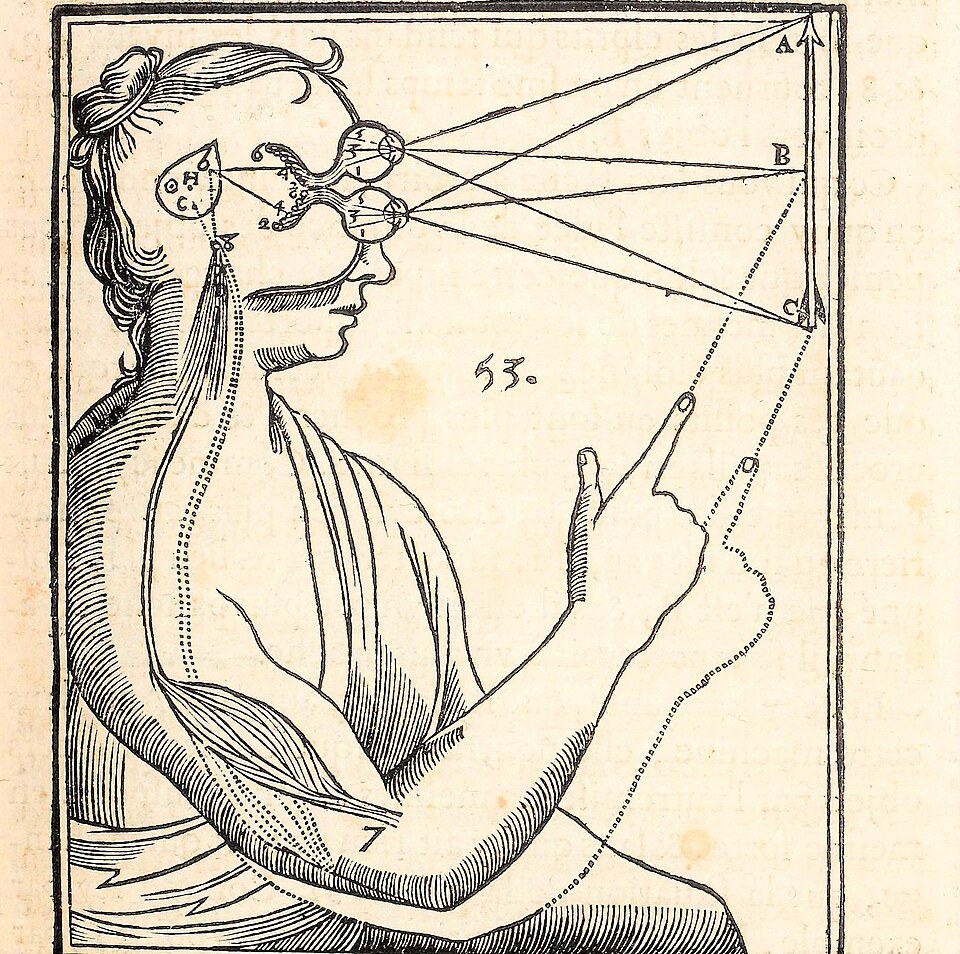
From my perspective, processes of transformation unfold simultaneously across multiple dimensions: the body, the nervous system, personal history, relationships, the symbolic dimension, and, for many people, the spiritual dimension. None of these perspectives fully explains the others; rather, each illuminates a different aspect of the same human reality.
My interest, therefore, lies in integrating the contributions of neuroscience within a broader understanding of human development—one that avoids both biological reductionism and the illusion that complex human questions can be resolved through simple solutions. Neuroscience does not replace the fundamental questions concerning the human condition; rather, it enables us to approach them with greater depth. Understanding how the brain functions is of extraordinary value, but understanding how human beings construct meaning, undergo transformation, and learn to live remains a task that ultimately transcends the boundaries of any single discipline.
Scientific knowledge is at its most valuable when it serves a deeper understanding of the human person, rather than attempting to replace it.
