Magic Trips
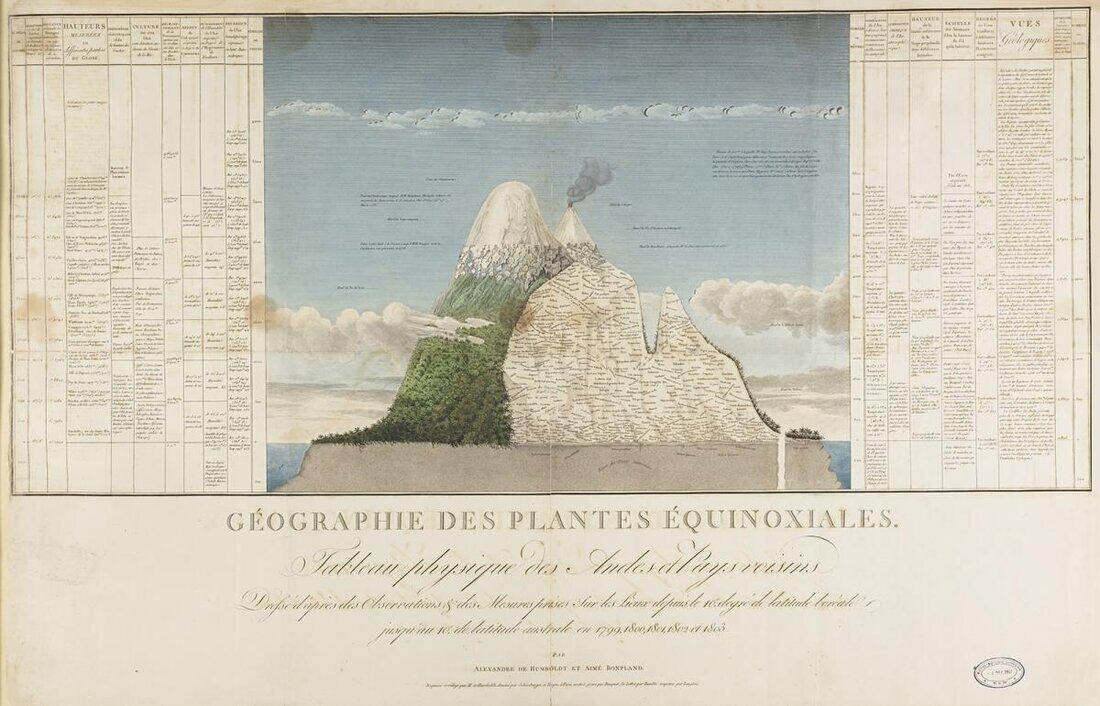
Long before I ever traveled the world, Western astrology awakened an intuition in me that experience would only go on to confirm: a journey isn't only a geographic displacement, but an expansion of consciousness. Coming into contact with new landscapes, cultures, and ways of understanding life also widens our capacity to see, to integrate perspectives, and to find meaning. It's no coincidence that, in symbolic language, traveling to distant lands shares a common root with the search for meaning. Both express a movement of expansion: stepping, even briefly, outside the limits of the familiar to widen our view, stretch the horizon, and integrate diversity into a deeper understanding of reality. Every genuine encounter with what is different reshapes the horizon from which we understand our own existence.
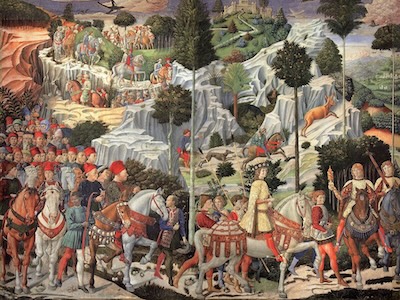
Certain cities, landscapes, buildings, works of art, and above all, encounters with people from other cultures have left a far deeper mark on me than I ever expected. Over time I came to understand that some places carry a singular power to unsettle us—places where something reveals itself, where new questions surface, old certainties come undone, and we begin to discover parts of ourselves that had remained invisible. Travel also taught me that inner growth isn't built through effort, discipline, or suffering alone, though our culture often seems to insist otherwise. There's another way in, quieter and often overlooked, that opens through beauty, wonder, encounter, and joy.
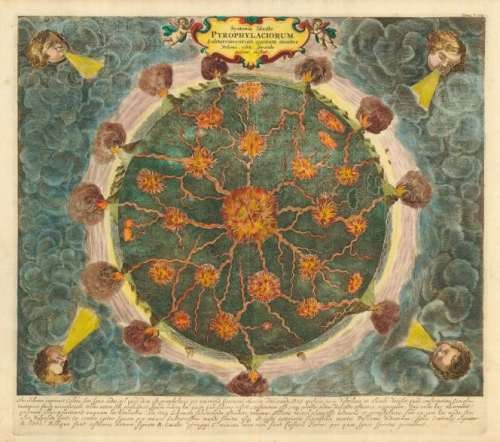
When we lose our capacity for wonder, the world becomes purely functional. But when we recover it, reality appears again as a space charged with meaning. Perhaps that's why certain landscapes, works of art, buildings, or conversations stay with us long after we've returned home—not only because they were beautiful, but because they helped us remember a livelier, more open, fuller way of inhabiting the world. In Jungian analytical psychology, the process of individuation isn't only about confronting what remains unconscious, but also about expanding our relationship to life. Travel, when it becomes an experience of true presence, can be part of that path. It reminds us that enjoyment isn't a distraction or a luxury, but a deeply human dimension of growth—that beauty transforms too, that joy teaches too, and that sometimes it only takes crossing a border to discover that the real journey was always happening within.
